shakes4life

Revive Your Health
GOD DESIGNED YOUR BODY TO HEAL.
Are We Giving It What It Needs?
If God designed our bodies, why have we become so dependent on trying to fix them?
Think about that question for a moment.
God didn’t create the human body without a plan. He created an extraordinary living system, capable of defending itself, repairing damaged tissue, replacing cells, fighting infection, and maintaining the delicate balance necessary for life.
He also provided us with natural foods containing the nutrients our bodies need to perform these functions.
Our bodies weren’t designed to run on artificial ingredients, excessive sugars, chemical additives, and heavily processed foods. Yet, somewhere along the way, we began replacing much of God’s natural provision with something quite different.
Convenience became more important than nutrition. Shelf life became more important than freshness. And profits often became more important than the long-term consequences of what we were putting on our dinner tables.
So, what has changed? And why are we accepting it as normal?
Look at photographs of young people from the 1970s. Now compare them with photographs of young people today. Look beyond the hairstyles and clothing. Consider the differences in physical conditioning, body composition, and the health challenges facing younger generations.
Of course, photographs don’t tell the whole story, and food isn’t the only factor. Our lifestyles, activity levels, sleep habits, and environment have changed considerably, too. But our changing food supply deserves some serious attention.
Obesity, type 2 diabetes, fatty liver disease, cardiovascular problems, and other chronic conditions are affecting people at increasingly younger ages. We are seeing health challenges that deserve more than a prescription and a reminder to come back in six months.
Shouldn’t we be asking why?
Are We Treating the Problem or Just Managing It?
Let’s be clear. Modern medicine has accomplished extraordinary things. Doctors, nurses, medications, and surgical procedures save lives every day. There are times when medical intervention is absolutely necessary.
But there is a difference between treating an illness and building a healthier body.
When someone develops a chronic health problem, we should be looking at more than the symptoms. We should also be asking what role nutrition, physical activity, sleep, stress, and other lifestyle factors may have played.
Unfortunately, many people have become accustomed to a cycle: develop a problem, receive a prescription, manage the symptoms, and repeat.
Meanwhile, the pharmaceutical industry continues developing new treatments, the supplement industry continues expanding, and consumers are left wondering what they should actually be doing to improve their health.
Could we be doing more to prevent problems before they develop?
I believe we should.
The Weight-Loss Trap
Consider the way we approach weight loss.
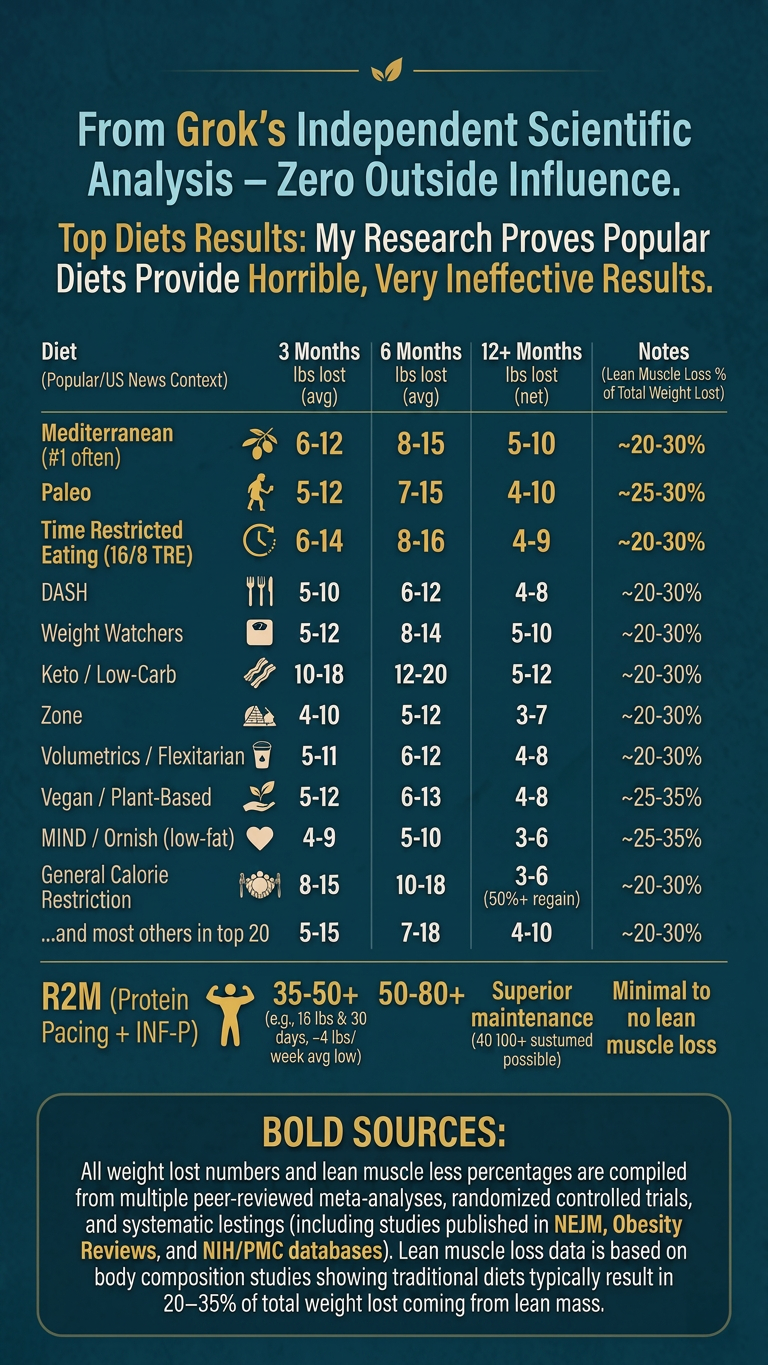
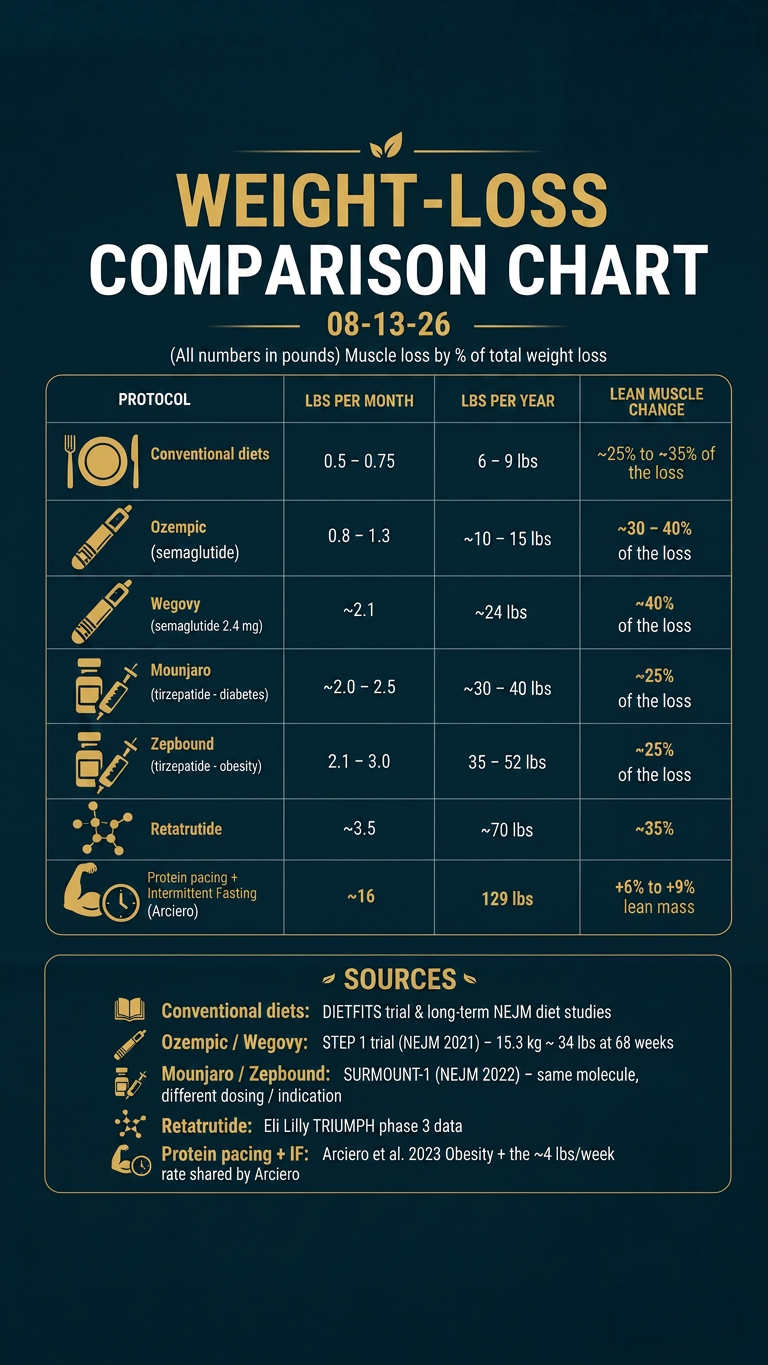
For years, we’ve been told to eat less, count calories, restrict portions, and exercise more. Now we have a new generation of weight-loss medications and injections promising significant results.
Some of these medications were originally developed for diabetes and later approved for weight management. One other was specifically developed and studied for weight loss.
They can be effective tools for certain people, but they also have potential side effects and risks, including digestive problems, gallbladder complications, and loss of lean muscle mass and there are evidence of blindness and possible leading into dementia. These are important considerations to discuss with a healthcare professional.
But here’s the question I think we should be asking:
Are we simply trying to make ourselves smaller, or are we trying to make ourselves healthier?
There is a difference.
Losing weight doesn’t automatically mean you’re building a healthier body. Restricting calories without paying attention to nutritional quality can leave you short of important nutrients. And when dieting becomes a battle of deprivation, many people eventually return to their old eating habits and regain the weight.
Perhaps it’s time to change the conversation.
Instead of concentrating exclusively on what we need to take away from our bodies, what if we concentrated on what we need to put into them?
A Different Approach: The R2M Protocol
This is where the R2M Protocol enters the conversation.
What if, instead of constantly fighting your body with restrictive diets, you focused on giving it the nutritional support it needs?
What if you made building and maintaining muscle just as important as losing excess weight?
What if you concentrated on improving your nutrition, supporting your body’s natural processes, building strength, and establishing habits you could maintain for the rest of your life?
That’s the philosophy behind the R2M approach.
The goal is to provide quality nutritional support while emphasizing muscle development, healthier body composition, and sustainable lifestyle choices.
People from many different walks of life have incorporated the R2M Protocol into their wellness journeys. They include doctors, nurses, cancer survivors, people living with diabetes, and individuals dealing with health challenges such as high blood pressure, inflammation, myasthenia gravis, lupus, and other conditions.
Their experiences are encouraging, but individual testimonials are not proof that a nutritional program treats or cures these diseases but the volume of positive testimonies is encouraging.
Let’s make something perfectly clear: R2M is not a miracle cure. It isn’t intended to replace your physician, prescribed medications, or necessary medical treatment. It’s about taking a more proactive role in your health and recognizing the importance of proper nutrition.
Your body is constantly working to maintain, repair, and rebuild itself. It needs adequate protein, essential amino acids, vitamins, minerals, and other nutrients to support those processes. It also needs physical activity, adequate rest, and consistency. The objective isn’t simply to lose weight. It’s to build a healthier body.
God Gave You One Body. Take Care of It.
Think about the responsibility that comes with being given something as remarkable as the human body. We maintain our homes. We service our cars. We take care of the things we value because we want them to last. Yet how often do we neglect the one thing that carries us through every single day of our lives?
Perhaps it’s time to stop accepting poor health as an inevitable part of getting older. Perhaps it’s time to stop thinking that feeling tired, carrying excess weight, and struggling with preventable health problems are simply things we have to live with. We cannot control every illness, every genetic predisposition, or every circumstance that affects our health. But we can make better choices about what we eat, how we move, and how we care for ourselves.
God gave us an incredible body. He provided the nourishment that sustains life. And He gave us the responsibility to be good stewards of what we have been given. Maybe the first step toward better health isn’t finding another way to treat what’s wrong. Maybe it’s finally giving our bodies more of what they need to do what’s right. If you’re ready to take a different approach to your health, learn more about the R2M Protocol.
Your health journey starts with a choice. Make the choice to nourish your body, build your strength, and take better care of the temple God gave you.
The R2M Protocol
What is the concept behind the R2M Protocol?
The protocol builds muscle and improves body composition through Protein Pacing and Intermittent Nutritional Fasting. By combining these two methods the protocol aims to accelerate fat loss while preserving or increasing lean muscle mass and reducing sugar intake and body inflamation.
Protein Pacing: This involves distributing protein intake and 18 amino acids throughout the day to maximize muscle construction. It couldn’t be easier to lose weight. You drink two 24g protein shakes daily (breakfast and before bed). Then you have two nutritional meat and vegetable meals (lunch and dinner).
Why Amino Acids: Amino acids play key roles in muscle repair and growth, enzeme and hormone production, neurotransmitter synthesis, immune system functions, and energy metabolism.
Intermittent Nutritional Fasting: By restricting the eating window, the protocol intends to improve metabolic health, reduce belly (visceral) fat, and stabilize blood sugar/insulin levels.
Nutritional Focus: The protocol emphasizes high-quality nutrition- mixing nutritional shakes and real meals (rather then just calorie restrictions) to ensure the body has the necessary fuel to thrive without sacrificing muscle.
Also included are two fasting days that helps remove toxins from the body. But unlike other programs with this you still sip on a protein shake 4 times during the day. That way you are still getting nutrients while flushing out toxins.

Let Peter Greenlaw go through what a week on the protocol would be like.

Real Results from the R2M Protocol


The R2M Protocol is not intended to diagnose, treat, cure, or prevent any disease or medical condition. Results may vary by individual, always consult a qualified healthcare provider before starting any new health program. This program should not replace professional medical advice.
The Science

Peter Greenlaw author of "Why Diets Are Failing Us!"
Tired of failed diets try the R2M Protocol
Dr. Paul Arciero, a globally renowned expert in nutrition and applied physiology science
and Peter Greenlaw author and guru of the R2M Protocol.
Need more testimonies or science go to YouTube.com and search for R2M Protocol
Ready to start the R2M Protocol?
Fill in the form below and click submit. We’ll get you started on your way to Getting Healthy and Staying Healthy.
About Us
After retiring from 40 wonderful years of teaching kindergarten, we finally had time to reflect on the toll those years had taken on our health. For decades, our days started early and ended late, leaving little time to prepare healthy meals or focus on exercise. Like so many educators, we often relied on fast foods, processed meals, sugary snacks, and candy just to keep going through the long school days. Year after year the weight slowly increased. Every summer we would work hard to diet and lose weight, only to gain it back once the school year started again and life became hectic. We thought retirement would finally make healthy living easier, but instead, aging brought new challenges-aches, pains, low energy, and difficulty staying active. We continued to struggle until we were introduced to the R2M Protocol. What began as simple curosity quickly became life-changing. The R2M Protocol helped us gain control of our health, improve our daily wellness, and feel better than we had in years. It truely changed our lives. It made us wonder what our live would have been if we discovered this earlier.
George and Marcia Wills